Multi-Cloud Architecture Explained: How It Works and Why It Matters
Table of Contents
Table of Contents
Share
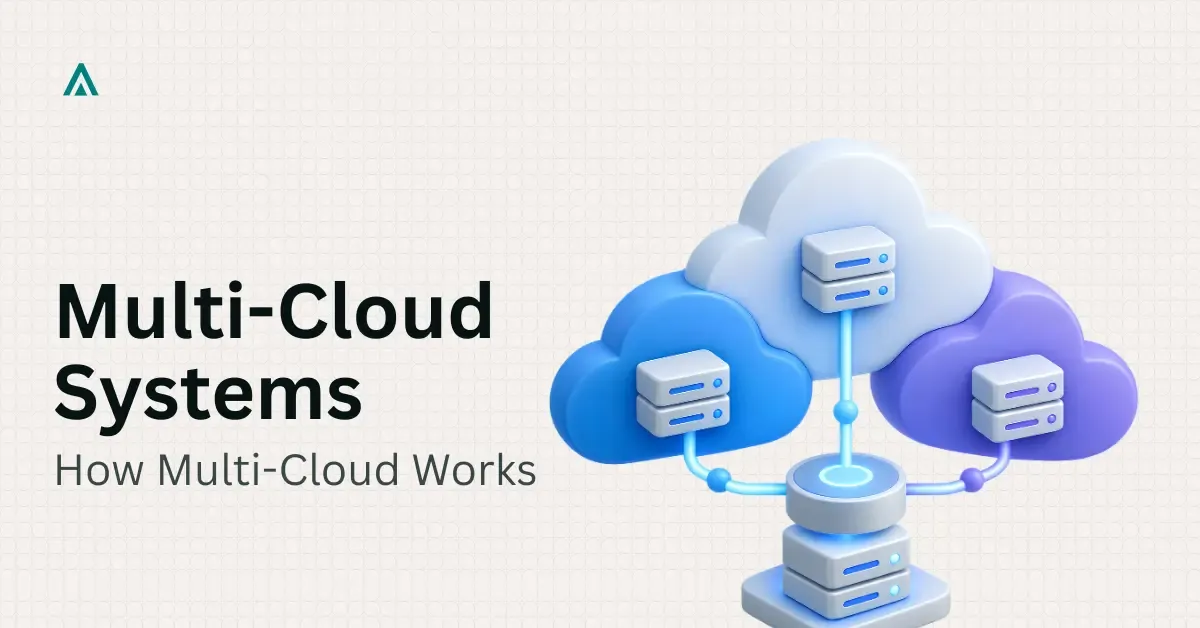
Multi-cloud architecture explained: when a second cloud earns its cost, why EU egress fees still apply to parallel use after 2027, and what to test first.
Frequently Asked Questions
- Multi-cloud architecture runs workloads on two or more public cloud providers under one operating model, with shared identity, infrastructure code and monitoring. Flexera's 2026 report found multi-cloud adoption grew by two percentage points and said it could stem from mergers, siloed application teams or inherited architectures rather than deliberate strategy (Flexera, March 2026).
- No. NIST SP 800-145 defines hybrid cloud as two or more distinct cloud infrastructures, private, community or public, that remain unique entities but are bound together by technology that enables data and application portability (NIST, September 2011). Multi-cloud means several public providers; many companies run both at once.
- For switching, yes: from 12 January 2027 providers may not impose switching charges, which the Data Act defines to include data egress charges (EUR-Lex, December 2023). For in-parallel use of two services, Article 34(2) still allows data egress charges, limited to passing on the egress costs incurred. Switching charges end; parallel egress stays capped at cost.
- Usually not. Start with one provider and a second region, price an hour of downtime, and add a second provider only for a workload where a regulator, a customer or a missing service requires it. The October 2025 AWS event in us-east-1 was largely regional, running from 11:48 PM PDT on 19 October to 2:20 PM PDT on 20 October with three distinct periods of impact (AWS, October 2025).
Don't Miss What's Next
Subscribe to newsletter
Tags:
Multi-Cloud Architecture
Cloud Strategy
Founder Perspectives
EU Data Act
DORA
DevOps
Get in Touch
Our team will get back to you within 24 hours.