The Role of AI in Sales: From Lead Scoring to Pipeline Forecasting
Table of Contents
Table of Contents
Share
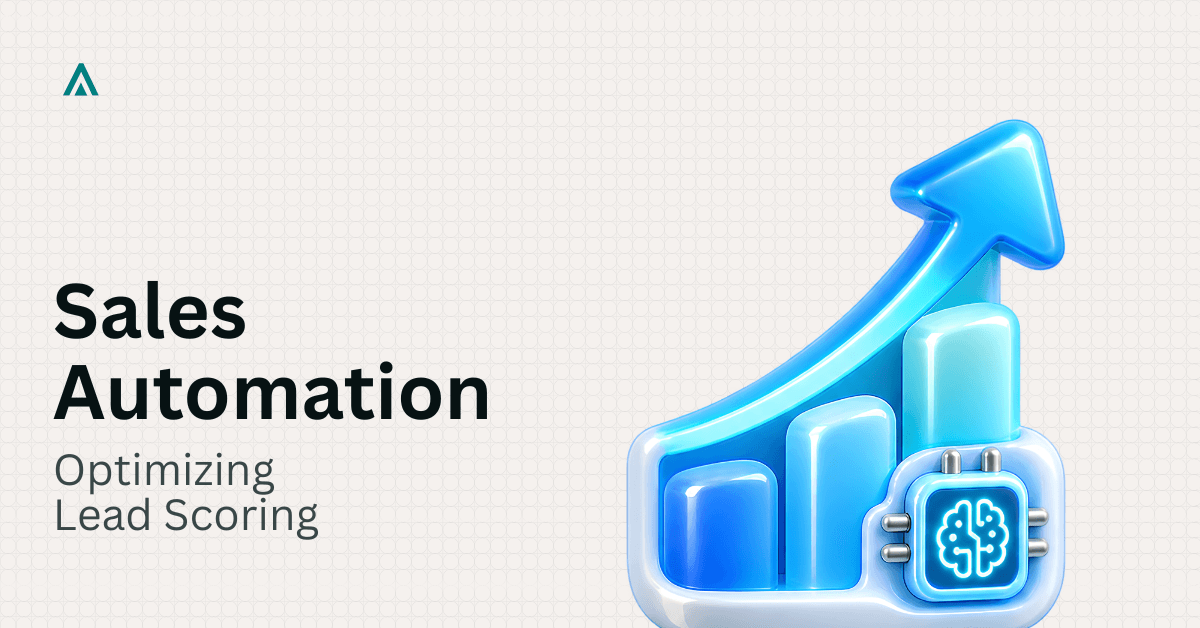
AI in sales: the most common reported revenue gain is under 5%, yet a 2026 lead-scoring test showed a 9.5% sales volume uplift. See where scoring pays first.
Frequently Asked Questions
- It can, but results vary widely. In a 132-day online A/B test at a new energy vehicle brand, lead scoring built on a large language model lifted sales volume by nearly a tenth against the brand's existing click-through-rate model ranking (arXiv, June 2026), while the most common revenue gain reported by firms using AI in marketing and sales is modest (Stanford HAI AI Index, April 2025). The difference usually comes down to whether the CRM records reliable outcome labels for won and lost deals.
- Most of it is not. Annex III lists AI systems that monitor and evaluate the performance and behaviour of people in work-related relationships as high-risk, which can capture conversation intelligence tools that grade sales reps, along with creditworthiness scoring of individuals. Scoring business prospects is not listed. Under the Digital Omnibus on AI, Annex III obligations apply from 2 December 2027 (Regulation (EU) 2026/1744, July 2026), while the duty to tell people they are interacting with an AI system applies from 2 August 2026.
- Most enterprises now buy: about three in four enterprise AI use cases were purchased rather than built internally in 2025, up from roughly half in 2024 (Menlo Ventures, December 2025). Buying suits lead scoring and call capture. Building is worth considering when the firm's own outcome data, such as long sales cycles or regulated pricing, is the edge a vendor model cannot see.
Don't Miss What's Next
Subscribe to newsletter
Tags:
AI in sales
lead scoring
pipeline forecasting
market intelligence
EU AI Act
Get in Touch
Our team will get back to you within 24 hours.