
Software Engineering for Manufacturing
Connect production, quality, and maintenance information across the factory and supply chain.
We connect work orders, material records, equipment events, and quality evidence to existing plant systems.
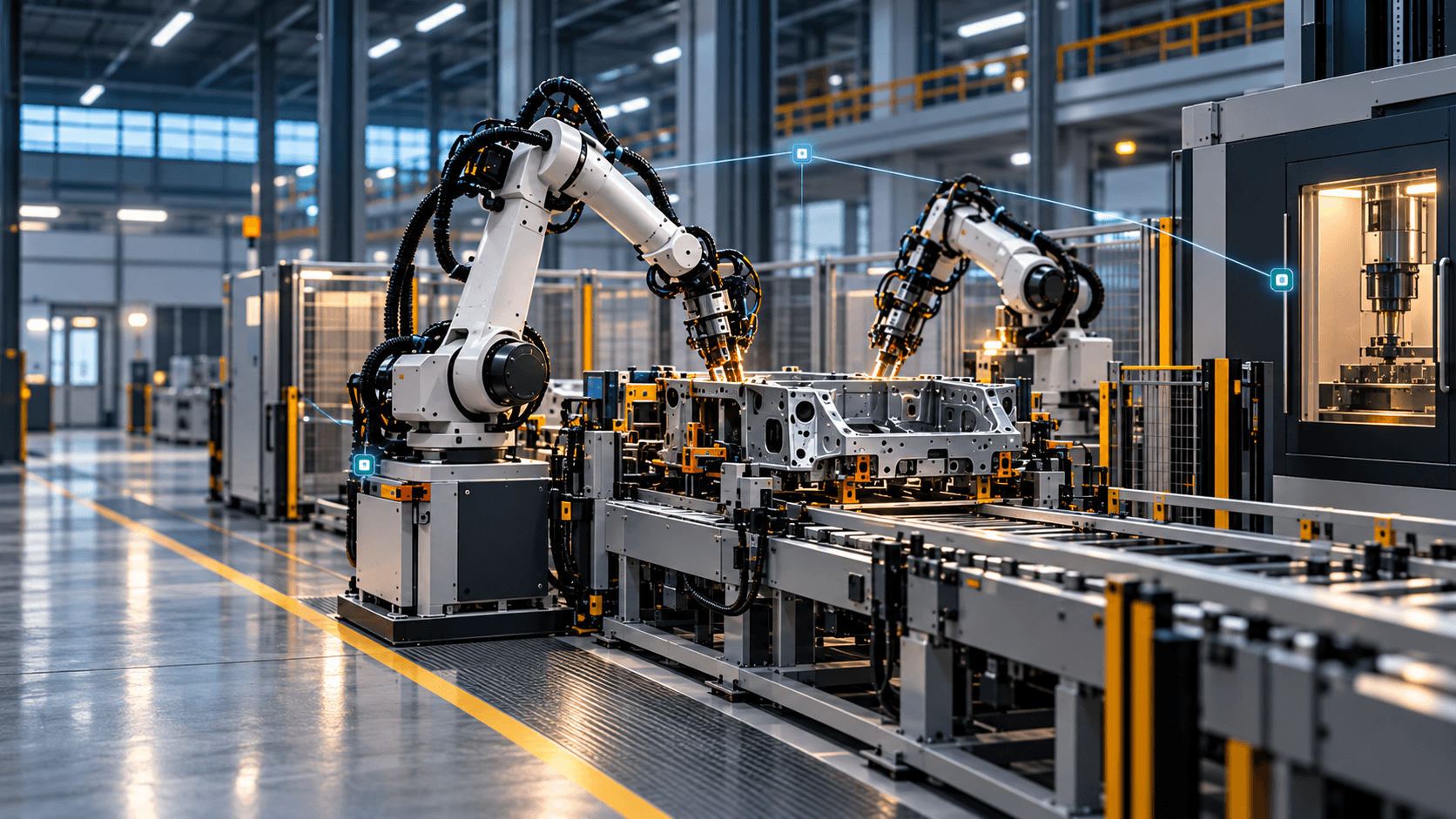
Connected Manufacturing Operations Solutions
Production records, quality evidence, and maintenance work.
Where Engineering Creates Value in Manufacturing
Manufacturing decisions depend on information moving between engineering, production, quality, and suppliers. Software creates value when those records stay connected to the right part, batch, machine, and revision. Ancilar designs integrations around the decisions operators need to make and the systems already running.
Production Context
Connect work orders, material movements, and equipment events so teams can investigate a production exception with context.
Traceable Inspection Records
Link inspection results to the relevant product revision, batch, and process step for review and corrective action.
Useful Equipment Signals
Combine selected equipment events with maintenance history to help teams prioritize inspections and investigate recurring operating issues.
Shared Supplier Evidence
Exchange agreed material and shipment records with suppliers while retaining data ownership, source references, and exception handling.
Begin with one production workflow and the records needed to support it. Confirm identifiers, source quality, and plant access before extending the integration across lines or sites.
Software Development Services for Manufacturing
Build targeted applications and integrations for production teams, quality functions, maintenance planners, and supplier networks, with cloud and AI components selected around the workload.
Production and Enterprise Integration
Connect manufacturing execution, enterprise planning, and quality systems through agreed interfaces. Preserve identifiers and expose synchronization failures for the team responsible for the workflow.
Quality and Batch Traceability
Build searchable histories for selected parts, batches, inspections, and material movements. Record source references and corrections so quality teams can reconstruct the relevant sequence.
Maintenance Analytics and AI
Prepare equipment and maintenance data for anomaly detection or prediction pilots. Compare model outputs with recorded incidents and give maintenance teams a defined review path.
Supplier and Operations Portals
Create interfaces for document exchange, delivery updates, and production exceptions. Apply partner permissions and show missing information before it blocks an agreed operating step.
Ready to explore your specific operating workflow?

Operational Benefits for Manufacturing
Scope improvements around the selected line, product, and operating workflow. Agree on measures such as record completeness, investigation time, and exception resolution before rollout.
Manufacturing Software Implementation Process
Begin with the production workflow, source systems, and people responsible for daily decisions.
Begin with the production workflow, source systems, and people responsible for daily decisions.
Map identifiers, data quality, access boundaries, and integration constraints before choosing the implementation.
Pilot the selected flow, validate exception handling, and document the handover before extending coverage.
Why Build With Ancilar
Our approach connects industry workflows with practical engineering decisions.
Production ContextWorkflows shaped around plant operations
Existing System IntegrationInterfaces matched to installed systems
Evidence Before ExpansionPilot results guide broader rollout
Operating HandoverConfiguration and ownership documented together
Connect factory information to the decisions people make daily.
Manufacturing Software FAQs
Yes. We assess available interfaces, identifiers, access restrictions, and operating windows before scoping connections between enterprise applications and selected plant data sources.
No. A focused integration or application can address a defined gap. The scope identifies which system owns each record and how changes are reconciled.
It can assist selected tasks when suitable data exists. We validate outputs against representative cases and define operator review before using them in the workflow.
It may support shared verification across independent organizations. We assess that need separately; internal production reporting and most integration work can use conventional data systems.
Discuss Your Manufacturing Use Case
Bring a production visibility gap, quality workflow, or supplier integration challenge. We can define the application, data connections, and validation needed for a focused implementation your team can operate.
Start with one defined workflow and the people responsible for its success.