Multi-Agent AI Systems Explained: How They Work and Why They Matter in 2026
Table of Contents
Table of Contents
Share
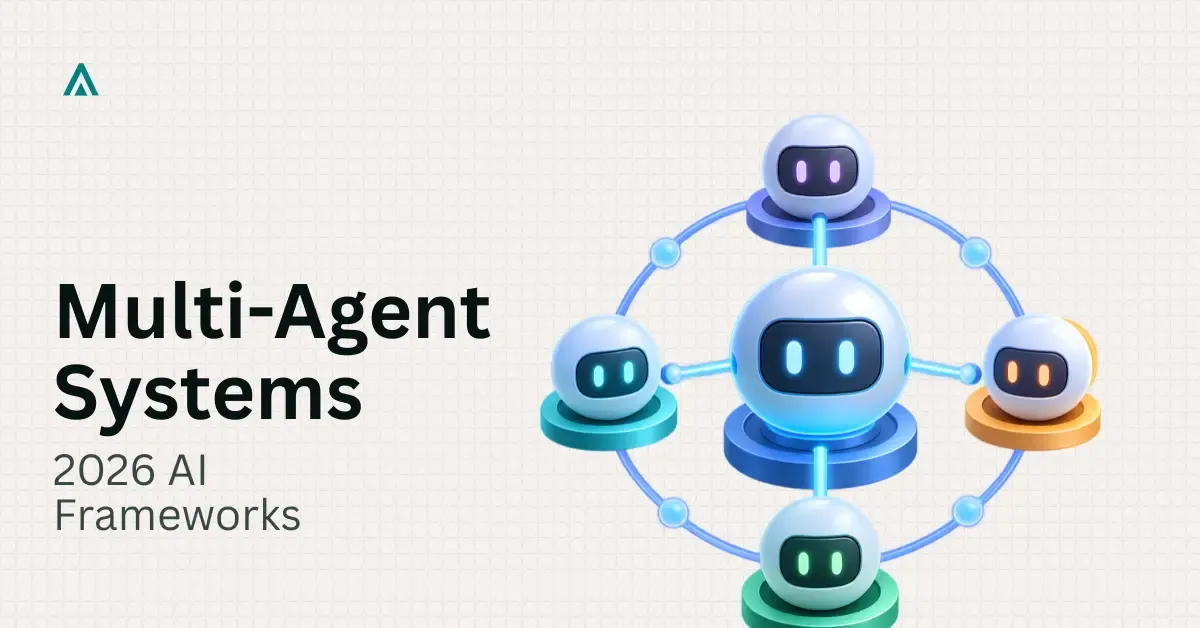
Multi-agent AI systems explained for allocators: how agent orchestration works, why the 15x token cost decides returns, and how to price 2026 deployment risk.
Frequently Asked Questions
- A multi-agent AI system splits one job across several language model agents, each holding its own role, tool access and context window, with an orchestrator that decomposes the request and merges the results. Instead of one model reasoning through every step in a single context, a lead agent hands narrow subtasks to workers that run in parallel and report back. The value comes from parallel search breadth and separated context, and the cost comes from the extra model calls that breadth requires.
- A single agent holds one context window and works sequentially, so its ceiling is how much it can hold in mind at once and how long a user will wait. A multi-agent system runs several contexts at the same time and compresses each result before it reaches the lead agent, which raises breadth but introduces coordination failure. Anthropic reported that a lead-and-subagent configuration outperformed its single-agent baseline by ninety point two percent on an internal research evaluation, while consuming about fifteen times the tokens of a chat session (Anthropic, June 2025).
- They fail on coordination rather than on model quality. An academic review of seven multi-agent frameworks catalogued fourteen distinct failure modes across three categories: specification and system design, inter-agent misalignment, and task verification (arXiv, March 2025). Gartner expects more than forty percent of agentic AI projects to fail by the end of 2027 on cost, unclear value or weak risk controls (CIO Dive, July 2025). For an allocator, that means the diligence question is the orchestration and verification layer, not the model vendor.
Don't Miss What's Next
Subscribe to newsletter
Tags:
multi-agent AI
agent orchestration
market intelligence
Enterprise AI
Get in Touch
Our team will get back to you within 24 hours.