AI Agent Autonomy Investment Brief: Task Decomposition and the Orchestrator Pattern
Table of Contents
Table of Contents
Share
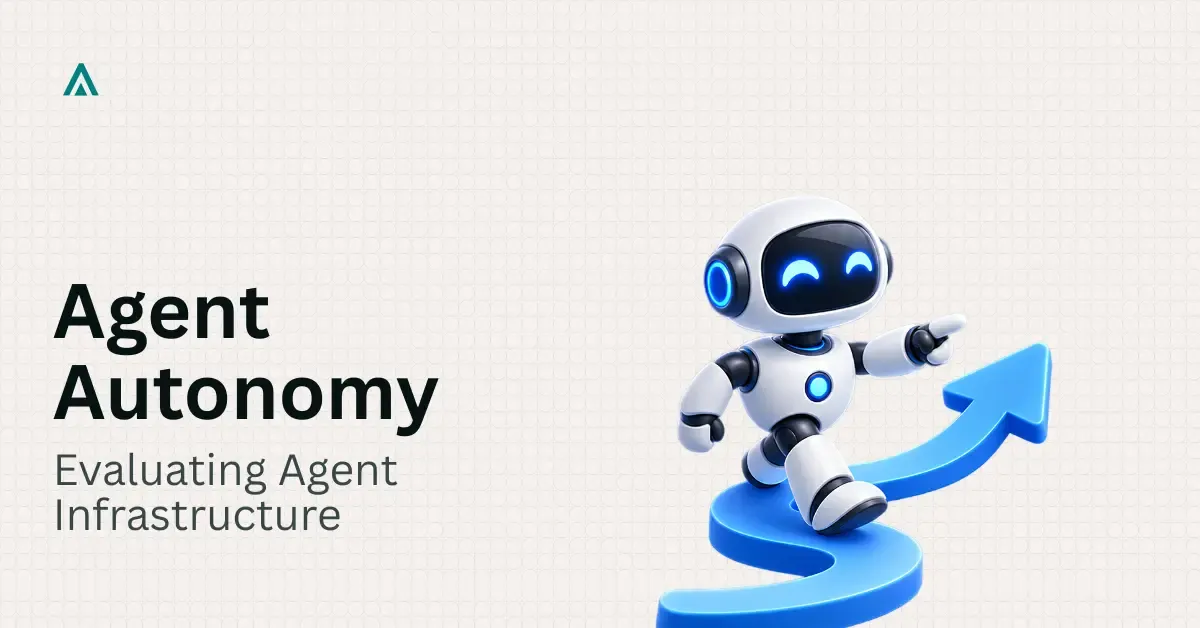
Assess AI agent orchestration economics: task decomposition, ReAct, and function calling. Review Ancilar's March 2024 orchestrator-pattern investment case.
Frequently Asked Questions
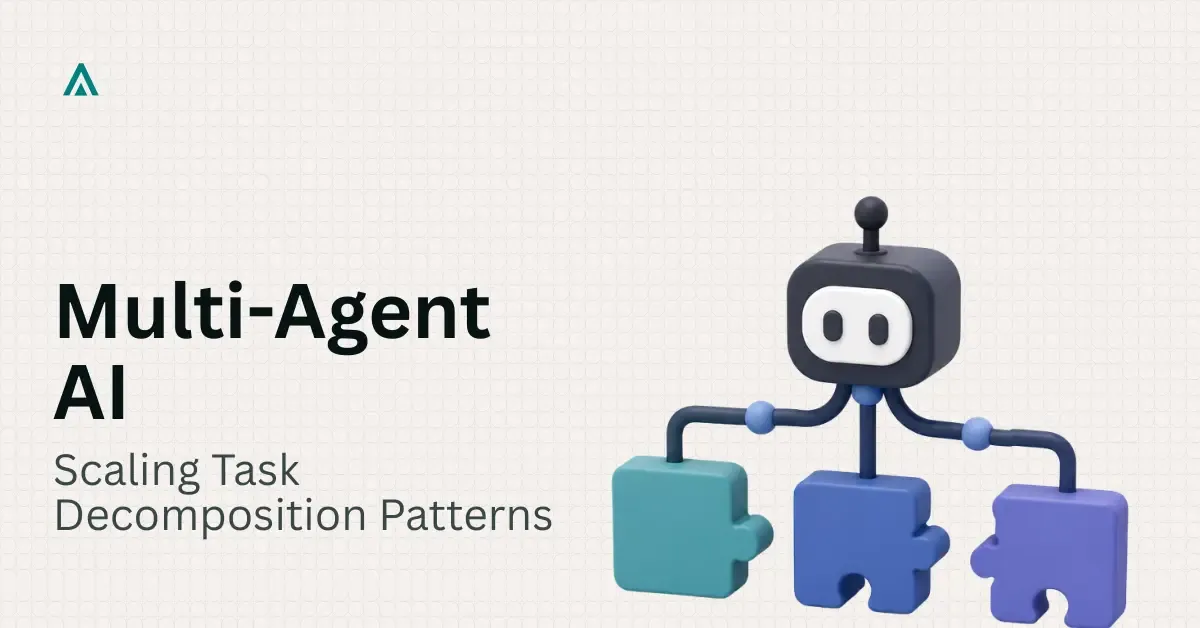
- The orchestrator pattern splits a complex goal into a plan, then routes each sub-task to a specialized worker call, either a tool, an API, or another model prompt, and merges the results back into a single output. A controller model owns the plan and the routing decisions, while workers stay narrow and stateless, which keeps each component auditable and easier to price for a capital allocator evaluating the stack.
- A single long prompt asks one model call to reason, retrieve, and answer in one pass, which fails as complexity grows because errors compound inside an opaque chain of thought. Task decomposition breaks the same goal into named, independently testable steps, each with its own input and output contract, so a reviewer can trace exactly where a failure occurred.
- The primary audience is capital allocators, family offices, venture funds, and sovereign wealth desks evaluating AI infrastructure deals in the agent orchestration layer. Secondary readers are enterprise buyers deciding whether to build an in-house orchestrator or license a managed one.
Don't Miss What's Next
Subscribe to newsletter
Tags:
AI Agents
Orchestrator Pattern
Task Decomposition
Investment Brief
Get in Touch
Our team will get back to you within 24 hours.