RAG Retrieval Quality: 2024 Hallucination Risk Brief
Table of Contents
Table of Contents
Share
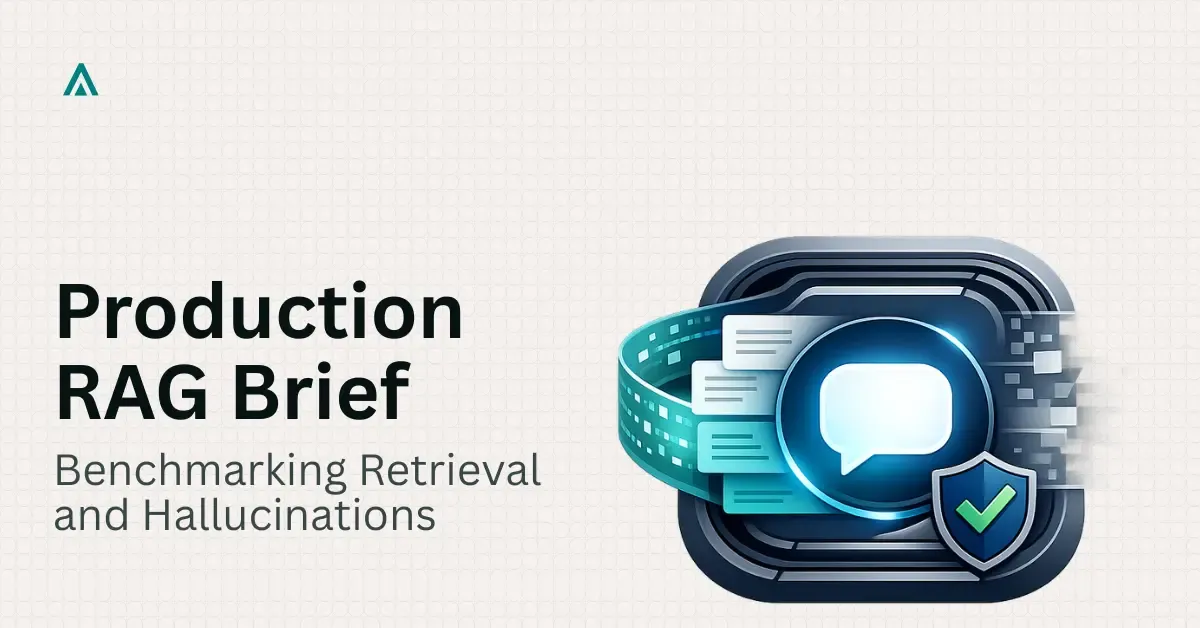
RAG cuts LLM hallucination, but retrieval quality decides the ROI. Review the 2024 evidence base and assess deployment risk before you allocate capital.
Frequently Asked Questions
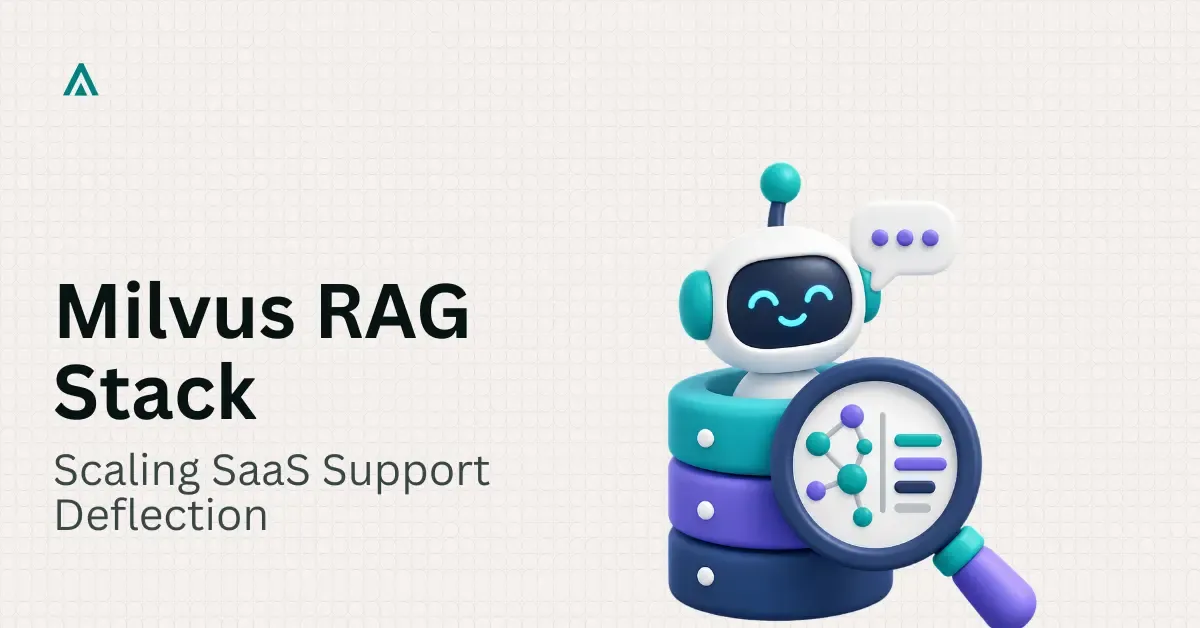
- Retrieval-augmented generation, or RAG, connects a large language model to an external knowledge base at query time so answers are grounded in retrieved passages rather than memory alone. It matters to investors because hallucination risk is the single largest blocker cited for enterprise generative AI budget, and RAG is the leading architecture vendors deploy to address it.
- No. RAG reduces hallucination by grounding generation in retrieved context, but it does not eliminate it. Research on hallucination taxonomy shows retrieval augmented systems still face limitations when retrieval quality is poor or when relevant passages sit in the middle of a long context window, so evaluation and monitoring remain required.
- Capital allocators should model a twelve to eighteen month horizon from infrastructure spend to measurable operating cost reduction, since production grade retrieval pipelines require chunking, re-ranking, and evaluation tooling before hallucination rates fall to enterprise acceptable levels.
Don't Miss What's Next
Subscribe to newsletter
Tags:
RAG
AI Investment
Hallucination Reduction
Retrieval Quality
AI & Enterprise Use Cases
Get in Touch
Our team will get back to you within 24 hours.