On-Prem H100 Clusters for Insurance Claims Triage AI
Table of Contents
Table of Contents
Share
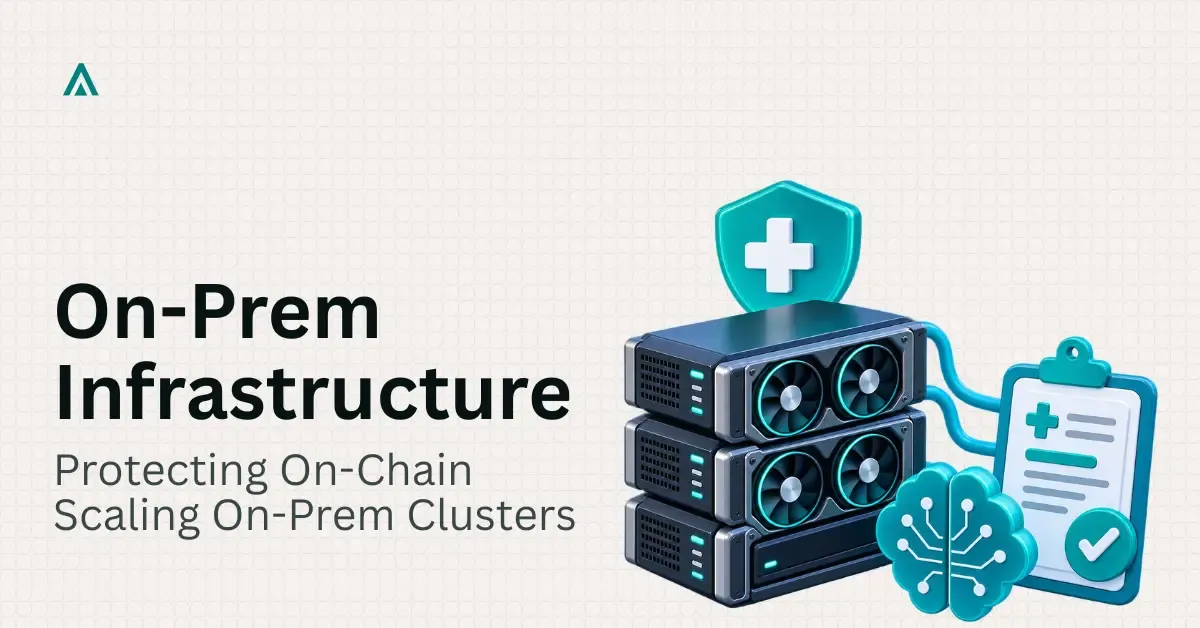
On-prem H100 clusters cut insurance claims triage time from days to minutes: a reference architecture to build HIPAA-aligned production systems in 2026.
Frequently Asked Questions
- PHI-bearing claims data triggers HIPAA and state insurance-department data residency rules that many carriers interpret as requiring on-premises or single-tenant control of the physical hardware. Ancilar's internal cost model shows on-prem H100 clusters also cut per-token inference cost by roughly 60 to 70 percent versus reserved cloud GPU instances once utilization crosses 40 percent, and they remove the noisy-neighbor latency variance that breaks SLA-bound triage queues during monthly claims surges.
- A carrier processing 2 to 4 million claims a year with a 13B to 34B parameter triage model typically needs 16 to 24 H100 80GB GPUs across 2 to 3 DGX-class nodes to hit sub-2-second p95 latency at peak submission windows, plus a smaller 4-GPU node reserved for fine-tuning and shadow evaluation.
- InfiniBand gives lower and more consistent tail latency for the all-reduce traffic used during fine-tuning and large-batch inference, at a higher hardware and operational cost. RoCEv2 over 400GbE reaches close to the same bandwidth for most triage inference workloads at a lower price point, but needs careful PFC and ECN tuning to avoid the congestion collapse that shows up as intermittent latency spikes under bursty claims-intake load.
Don't Miss What's Next
Subscribe to newsletter
Tags:
AI Infrastructure
H100 Cluster
Insurance Claims Triage
On-Prem AI
HIPAA
Get in Touch
Our team will get back to you within 24 hours.