Why DePIN Is Bigger Than It Looks: The Infrastructure Layer
Table of Contents
Table of Contents
Share
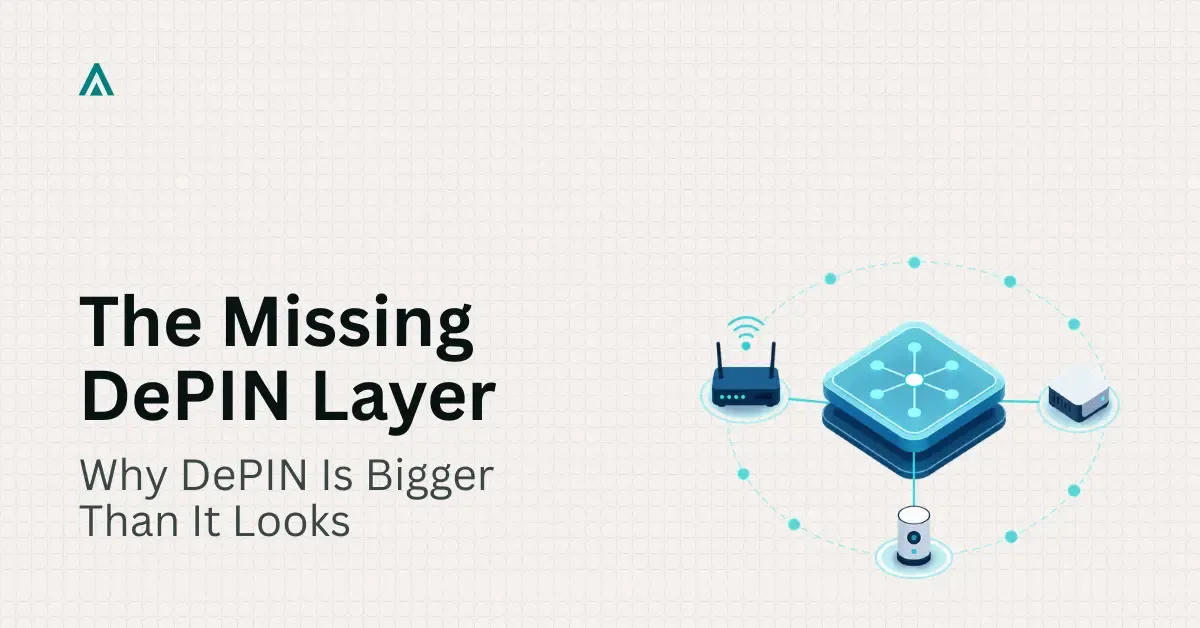
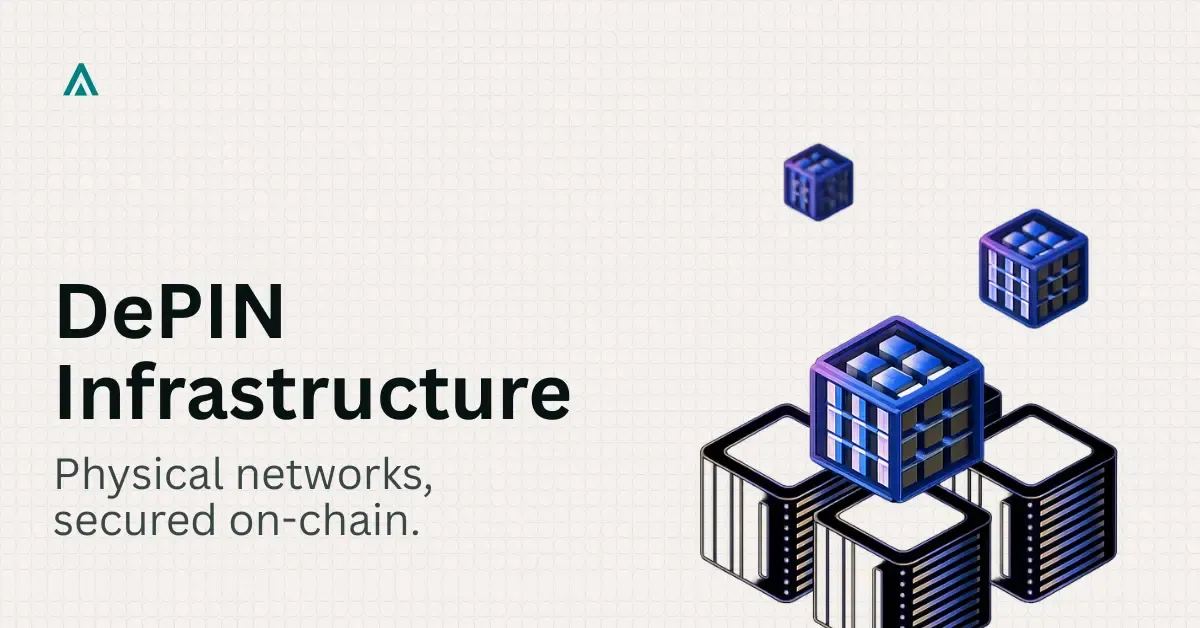
DePIN passed 13M devices and a $50B peak market cap by 2024, with a $3.5T projection by 2028. Why founders should build on it as core infrastructure in 2026.
Frequently Asked Questions
- DePIN stands for decentralized physical infrastructure networks. People supply real hardware such as wireless radios, GPUs, storage drives, or sensors, and a token protocol pays them for the service that hardware provides. The network grows from many small owners instead of one company funding every unit upfront.
- A traditional provider buys and owns every unit of hardware and carries the full capital cost. A DePIN network coordinates hardware owned by thousands of independent contributors and settles payment on-chain. The provider becomes a protocol and a marketplace rather than a balance sheet of depreciating assets.
- DePIN lets a founder reach physical scale without buying the hardware first. Contributors fund the supply side, the protocol coordinates it, and revenue follows real usage. For compute, wireless, storage, and sensing businesses this changes the capital math and the speed at which a network can reach coverage.
Don't Miss What's Next
Subscribe to newsletter
Tags:
DePIN
Web3 Infrastructure
Founder Perspectives
Get in Touch
Our team will get back to you within 24 hours.