What I Would Do Differently Building a Web3 Startup
Table of Contents
Table of Contents
Share
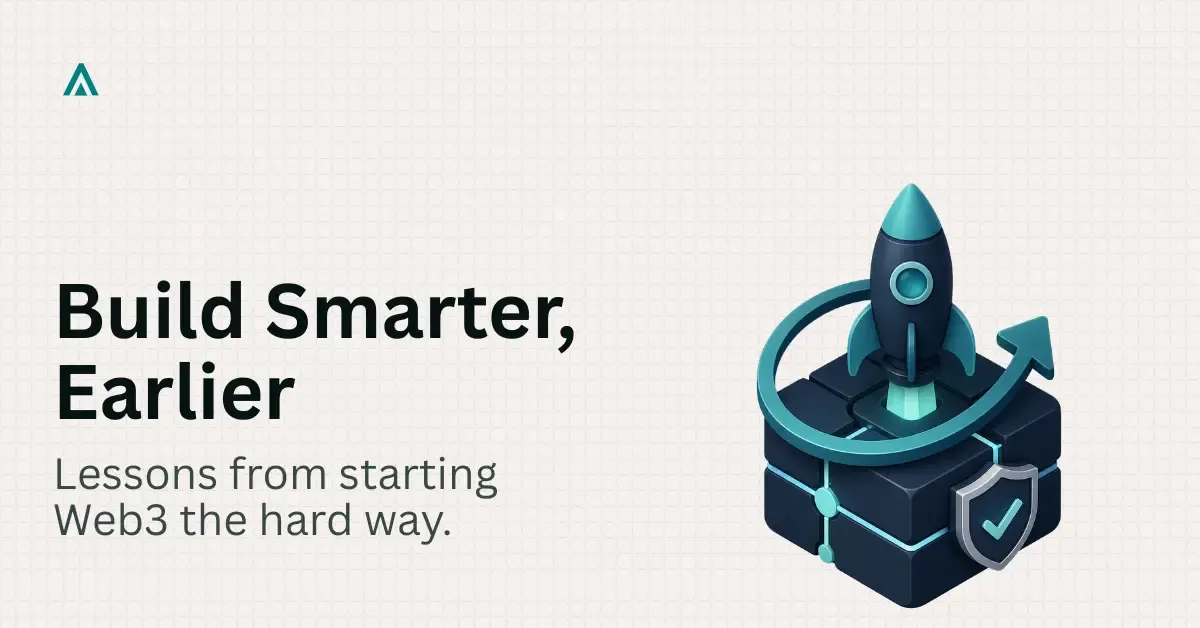
A Web3 founder's hard-won lessons on architecture, audits, and compliance. $3.4B lost to exploits in 2025. Learn what to do differently before you build.
Frequently Asked Questions
- A professional audit cost depends on contract complexity and the firm's tier. Entry-level audits for simple contracts start in the low five-figure range; complex multi-contract systems at Tier-1 firms run significantly higher. Budget for at least one independent audit before mainnet and a second review after any significant upgrade. Cutting this cost is the most expensive mistake in the space.
- Prioritising token launch over product-market fit. Founders rush a token generation event before their protocol is validated with real users, creating misaligned incentives and inviting regulatory scrutiny. Building organic traction first gives the token real utility and puts the team in a stronger position with investors.
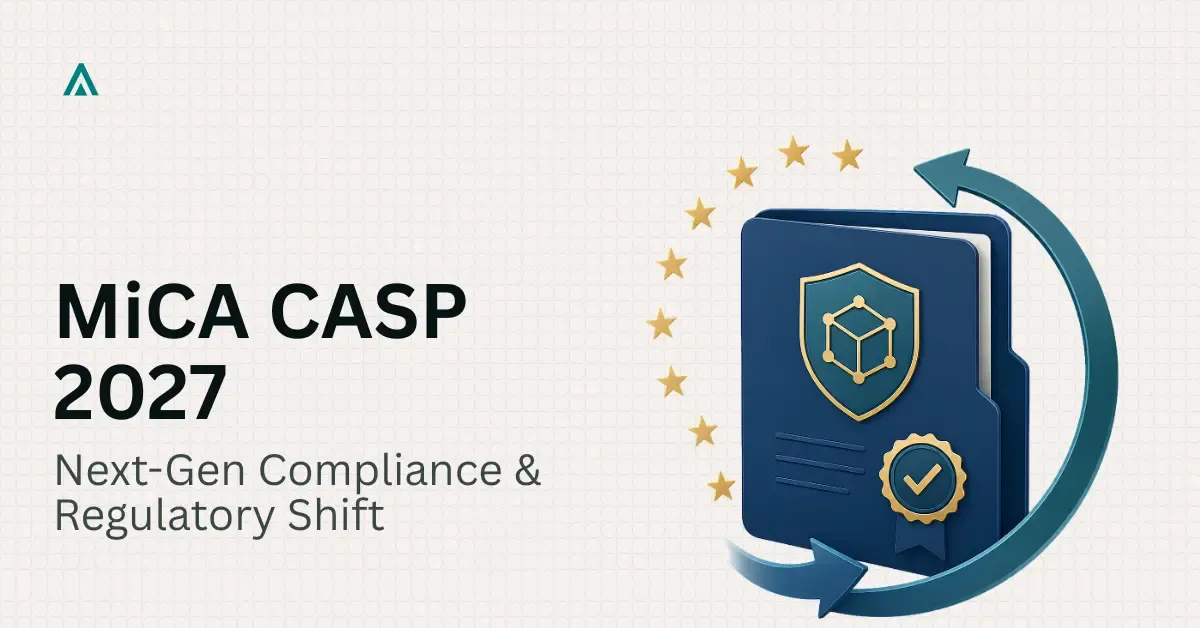
- Yes. MiCA applies to any crypto-asset service provider that markets to EU users, regardless of where the company is incorporated. Whitepaper disclosures, reserve audits for stablecoin issuers, and CASP licensing all apply if you have EU users. Engage EU-qualified legal counsel before your token goes live.
- There is no universal answer. Ethereum mainnet remains the highest-trust settlement layer. Layer 2 networks like Arbitrum and Optimism offer lower fees with EVM compatibility. Solana suits high-frequency, low-latency use cases. Evaluate finality time, transaction cost, developer tooling, and where your target liquidity lives before committing.
Don't Miss What's Next
Subscribe to newsletter
Tags:
web3-startup, blockchain-development, defi, smart-contracts, founder-lessons, tokenization, web3-compliance
Founder Blog
Get in Touch
Our team will get back to you within 24 hours.